





 Free Shipping
 60 Day Trial



Electric vs. Manual Shavers: Which Is Better for Your Skin?

Struggling to decide whether to use an electric shaver or a manual razor? Determining which is best for you largely comes down to your skin type. While manual razors often offer a closer shave than electric alternatives, they’re often harsher on the skin. However, with proper technique, certain razors minimize the risk of irritation and ingrown hairs, but they can’t rival the safety or ease of an electric shaver.
In this guide, we delve into the differences between electric and manual shavers for different skin types along with their pros and cons.
What’s the Difference Between Electric and Manual Shaving?
Before we dive into skin types, let’s take a closer look at how manual razors and electric shavers work as well as their distinct pros and cons.
How Manual Razors Work
Most manual razors feature fully exposed blades, enabling you to achieve a skin-close shave with the correct shaving technique. The most popular manual razors are cartridge razors, usually featuring two or three blades. The first blade lifts the hair and makes it taught, while the subsequent blades trim the hair right at the surface of the skin – a process called hysteresis.
Some manual razors are disposable, meaning you’ll need to replace the entire razor after every five to ten shaves. Other options feature replaceable cartridges that also require changing every five to ten shaves, or when the blade dulls.
Another popular type of manual razor is the double edge (DE) razor. These models feature a metal handle with a head that holds a single, double-edged blade, plus a guard that prevents the blade from coming into direct contact with your skin. While this reduces irritation, you might not get as close a shave as with cartridge razors.
Pros
-
Manual razors feature exposed blades for a skin-close shave.
-
They’re usually the cheapest type of razor, although replacement costs can add up in the long run.
-
Replacement blades for double-edged razors typically cost less than $0.50 each.
-
Cartridge razors are widely available and easy to travel with.
-
Because DE razors feature a blade guard, there’s a smaller risk of irritation and ingrown hairs than when shaving with cartridge razors.
Cons
-
It can take time to master the technique with manual razors.
-
Manual razors can only be used with water and specialized grooming products.
-
It usually takes longer to shave with a manual razor than an electric alternative.
-
DE razors don’t offer the closest shave to people with fast-growing or heavy facial hair.
-
Manual razor blades often dull quickly, meaning you’ll need to replace them after every five to ten shaves.
-
Cartridge razors pose a higher risk of ingrown hairs and irritation than guarded DE or electric razors.
How Electric Shavers Work
Electric razors use a powered motor, either corded or battery-powered, to move oscillating or rotating blade heads at high speeds, making them highly efficient. The blades are covered by a perforated metal or foil screen to prevent direct contact between them and your skin, with the blades cutting your hair just above the surface of the skin as it passes through the perforations.
Foil electric shavers usually feature one or two straight lines of oscillating teeth. As a result, they’re ideal for achieving precise styles and neatly trimming sideburns. Barbers often use them to create accurate shapes and lines in hairstyles, as well as to touch up hairlines. You’ll need to familiarize yourself with professional grooming techniques to achieve a salon finish.
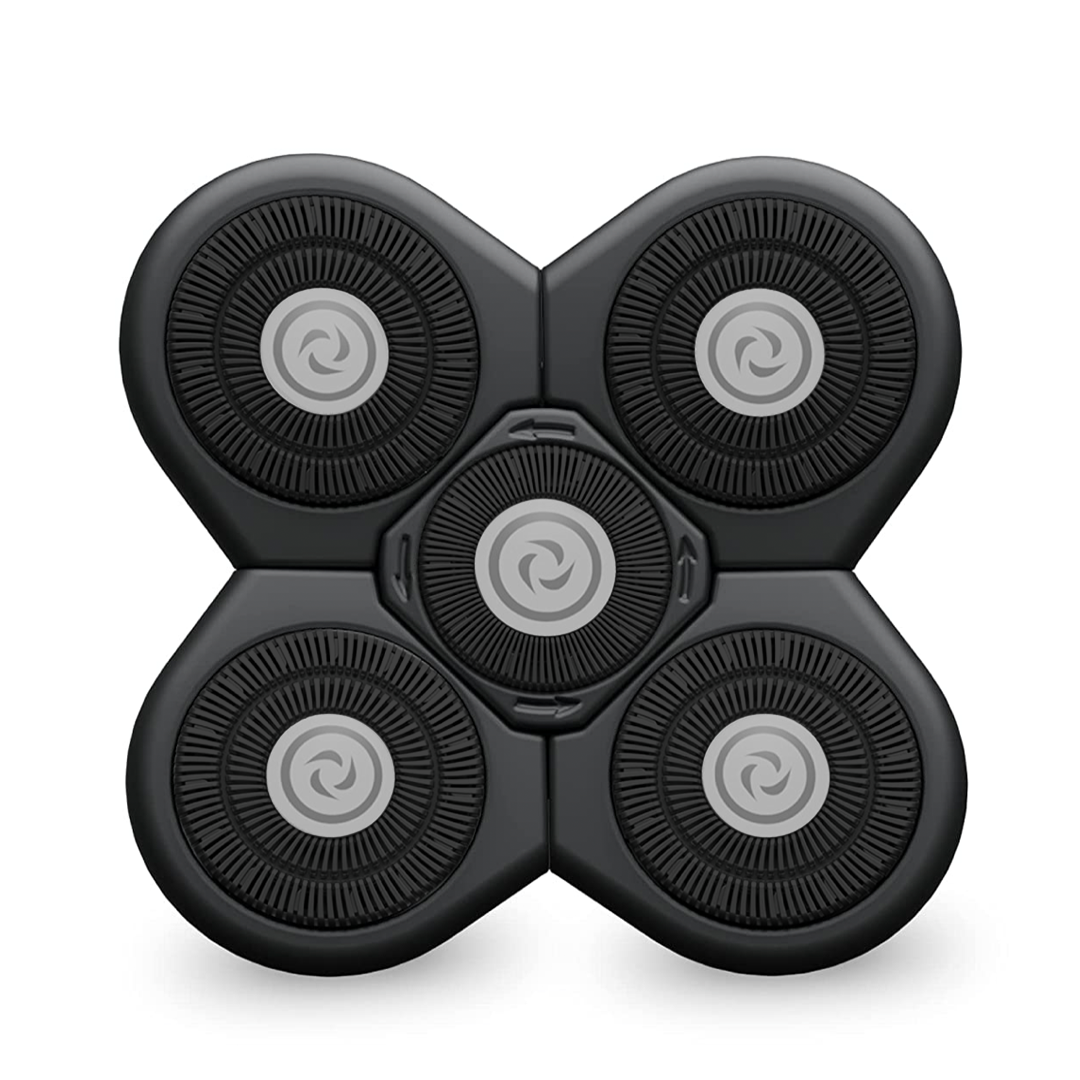
Rotary electric shavers typically feature between two and six spinning blade heads, each protected by a perforated metal guard. They’re not as precise as their foil counterparts, but they’re often much easier and faster to use. If you’re one of two thirds of American men to experience male pattern baldness by 35 years old, a rotary shaver can give you an all-over head shave in just a few minutes. However, while the gap is narrowing, rotary shavers can’t achieve as close a shave as manual alternatives with fully exposed blades, but the risk of irritation is much smaller.
Pros
-
Electric shavers are long-lasting and durable. You can expect a high-quality model to last for a minimum of several years.
-
Rotary electric shavers are impressively efficient, enabling you to shave your entire face and head in as little as a few minutes.
-
Foil shavers are very precise. You can use them to create intricate lines, shapes, and accurate hairline finishes.
-
With most electric shavers, you don’t necessarily need to wet shave or use grooming products (depending on your skin sensitivity).
-
Electric shavers are portable and often come with features such as a travel lock.
-
You can significantly reduce the risk of cuts, nicks, and ingrown hairs by using an electric shaver.
Cons
-
Because the blades are guarded, electric shavers don’t offer quite as close a shave as manual razors, though the difference is often negligible.
-
Some electric shavers are designed for dry shaves only and can’t be used with grooming products. Choose a model that can wet and dry shave if you need the added versatility.
-
You need access to a power outlet or a charged battery to use your shaver. Inadequately charged shavers can die halfway through your grooming session.
-
Electric shavers demand more attention than manual razors regarding maintenance and cleaning.
-
The initial purchase price of an electric shaver is usually much higher than a manual razor, although they can actually reduce your overall lifetime shaving costs.
How Shaving Affects Your Skin
Almost all men and women have endured multiple nicks and cuts as a consequence of shaving, particularly when using manual razors. Razors with blades that directly contact the skin also carry a higher risk of causing ingrown hairs, which can be painful and even lead to infections. But why does shaving with a razor impact your skin in such ways?
Friction, Pressure, and Micro-Cuts
Above, we discussed the process of hysteresis, where the first blade of the razor lifts your hair while subsequent blades cut them right at the surface of the skin. While this achieves a smooth, skin-close shave, the effect of lifting your hair and making it taut means it snaps back into place when it is cut, sometimes forcing the hair inside the follicle and increasing the risk of ingrown hairs
Because the blades of manual razors brush against the skin, they cause microtears while you shave. For people with sensitive skin, this can cause redness, itchiness, rashes, and even infections. Also, you may need to go over the same patches repeatedly with your razor or shaver, which increases the frequency of microtears and the risk of irritation.
The Role of Moisture and Prep
When using a manual razor, you should use grooming products both before and after shaving. Shaving gels and lotions moisturize your skin and help the blade glide over it smoothly, reducing the risk of irritation. Groomie®’s pre-shave gels also soften up your hair so that it’s easier for the blades to slice through.
You should also use a high-quality aftershave product to close your pores, hydrate and soothe your skin, and rebalance your skin’s pH levels. Many aftershave gels and creams also have a cooling effect, which can relieve mild pain while reducing redness.
Electric vs. Manual Shavers for Different Skin Types
Whether you should choose an electric shaver or a manual alternative largely comes down to your skin type.
Sensitive
If you have sensitive skin, we recommend using an electric shaver with guarded blades that don’t come into direct contact with the skin. Manual razors with one or two blades can also be suitable, provided you employ the correct shaving technique and use quality pre- and after-shave products.
Acne-Prone
If you have acne-prone skin, you can reduce tugging and friction by using a double-edge blade or a cartridge razor with two blades. Electric and multi-blade cartridge razors can cause or irritate acne lesions.
Dry
Manual razors coupled with pre-shave gels or lotions are often best for dry skin as most electric razors designed for dry shaving don’t hydrate or exfoliate. However, some models, such as the Groomie® BaldiePro™, feature exfoliating and pre-massage attachments. It can also be used for wet shaving.
Oily
Multi-blade cartridge razors can help clear your pores while shaving. These manual razors also cut your hair right at the surface of the skin, which reduces the risk of oils sticking to stubble and clogging your pores.
Mature/Aging
Electric shavers that feature guarded blades cause less irritation and friction on skin with slightly reduced elasticity.
Which Option Is Better for Head Shaving?
Using a manual razor to shave your head can take a lot of practice. And, while you’re mastering the technique, you may have to endure multiple cuts and nicks. However, manual razors without blade guards offer the closest shave if you want a smooth-to-the-touch finish.
Electric razors, particularly rotary models, make light work of full-head clean shaves. Even though the blades are guarded, the latest rotary shaves can achieve an extremely close shave – the difference between quality electric shavers and manual razors is often imperceptible. Better still, you can shave your entire head in just a few minutes with an electric shaver. The perfect electric head shaver might exist for you, depending on your grooming needs.
Moreover, rotary shavers that have multiple blade heads are more forgiving when it comes to technique. You’ll significantly reduce the risk of cuts, irritation, and ingrown hairs when using an electric shaver in awkward and hard-to-reach places.
When an Electric Shaver Makes More Sense
If you have sensitive skin or prefer speed and convenience to closeness, you might be better off with an electric shaver instead of a manual razor. If you’re not prone to irritation, you can use an electric shaver without the use of additional grooming products, which can trim plenty of time off your grooming routine. Plus, electric shavers, particularly rotary types, are easy to use and much more forgiving than manual alternatives. Ultimately, unless you want the super-smooth finish of a manual razor, you might prefer the versatility offered by an electric alternative.
Frequently Asked Questions
Is It Better to Shave with an Electric Shaver?
It can be better to shave with an electric shaver than a manual razor if you have sensitive skin or want to speed up your grooming routine. Manual razors can achieve a closer finish, though the difference is negligible if you choose a quality electric shaver. Electric shavers also come with a much smaller risk of irritation and ingrown hairs.
Do Electric Shavers Cause Less Razor Burn?
Electric shavers typically cause less razor burn than manual razors because their guarded blades don’t come into direct contact with your skin. Instead, the perforated guard allows your hair to pass through to the blade, which cuts hair just above the surface of the skin rather than in direct contact with it.
Skin Type Determines Whether Electric or Manual Shaving Works Best
Many men and women choose manual razors because they achieve a super-smooth finish with their fully exposed blades. However, the trade-offs include a heightened risk of irritation and ingrown hairs. And, when it really comes down to it, the latest electric razors achieve such a close finish that the results are virtually identical – and they achieve it in as little as a few minutes with or without additional grooming products.
If you’re interested in swapping out the manual razor for a durable and dependable electric alternative, check out the Groomie® BaldiePro™ head shaver. Its 10,000 RPM motor and five rotary blade heads provide a full-head shave in as little as three minutes. Plus, the patented SmoothShave™ technology not only offers an incredibly close shave but also significantly reduces the risks of irritation and ingrown hairs.